







Search Results for: no need
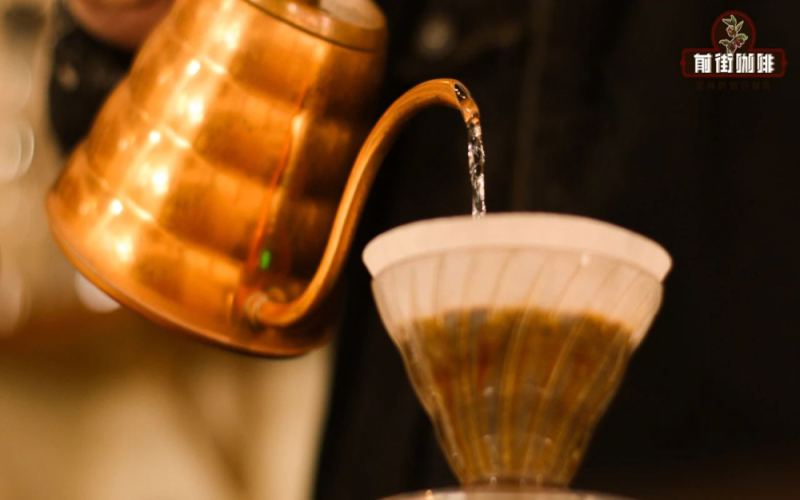
Do freshly roasted coffee beans need resting? How long should coffee beans rest?
After purchasing freshly roasted coffee beans, the question most commonly asked by beginners is: do these coffee beans need to be rested? The answer is: yes. However, in everyday situations, Front Street Coffee often gives a completely opposite answer: "No. The freshly roasted coffee beans you receive can be brewed directly; the time spent in transit is enough [more…]
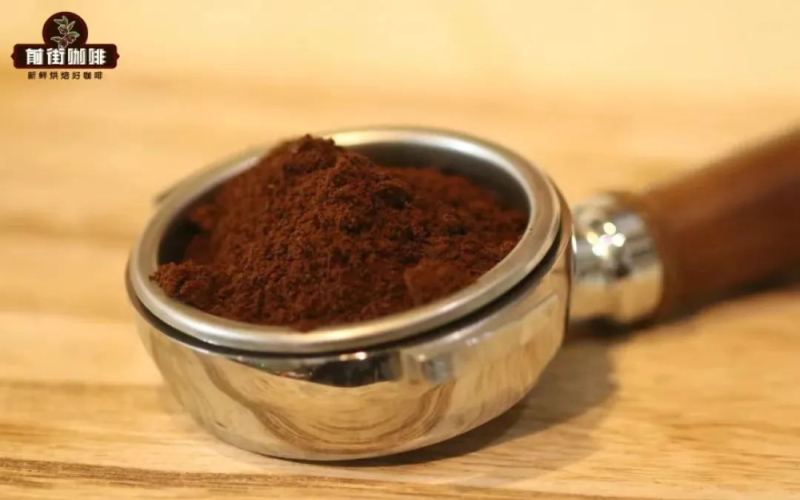
Does Espresso Need Pre-Infusion? Analyzing the Role, Timing, and Parameter Adjustment of Pre-Infusion
Does the bloom in pour-over coffee have a significant impact on flavor? Does espresso also require a similar step? In fact, there is no such thing as blooming in espresso, but in recent years pre-infusion has gradually become an important part of the extraction process. This article starts from the traditional approach to stable espresso extraction, analyzes the extraction fluctuations caused by the shortened resting period of coffee beans, and then explains in detail the three core functions of pre-infusion: releasing active gases, reducing the probability of channeling, and broadening the ways to adjust extraction. It will also explain how to judge manual pre-infusion, and that there is no fixed standard for pre-infusion duration—it needs to be flexibly adjusted according to the resting condition and grind ratio. [more…]
British and French cafés say "no" to laptops: fighting seat-hogging or a culture war?
Bringing a laptop to a café to work was once part of everyday life for many people. Recently, however, several cafés in the UK have introduced rules banning customers from using laptops during lunch hours and on weekends, on the grounds that these "digital nomads" occupy seats for long periods while spending little, seriously hurting table turnover and revenue. At the same time, some cafés in Paris have also put up "no laptops" signs and even refuse to provide WiFi, in order to defend traditional coffee culture. But some shops have adopted a compromise strategy, setting up "no-computer zones." This tug-of-war over café space reflects the difficult balance between tradition and the demands of modernization. Front Street Coffee believes that how to accommodate diverse needs while safeguarding business operations is something every industry practitioner is worth pondering. [more…]

Cotti Coffee teams up with "Ne Zha 2" to revamp merchandise redemption rules: no speed race, no quantity limits, drink vouchers valid at all stores
"Ne Zha 2" has surpassed 1.49 billion yuan at the box office, becoming the biggest winner of the Spring Festival season, with Cotti Coffee, Chagee, and Good Me securing co-branding rights from among numerous competitors. Cotti was the first to announce its collaboration details, launching 12 combo packages, each containing one voucher for any drink on the menu and one limited-edition merchandise item, with no cap on merchandise quantities, no need to rush-buy, and drink vouchers valid nationwide within three months. This unconventional move was praised by netizens as "treating consumers like human beings," standing in sharp contrast to the previous co-branding model of limited quantities, bundled sales, and two-cup minimums, and putting pressure on Chagee and Good Me, which have yet to announce their own terms. [more…]
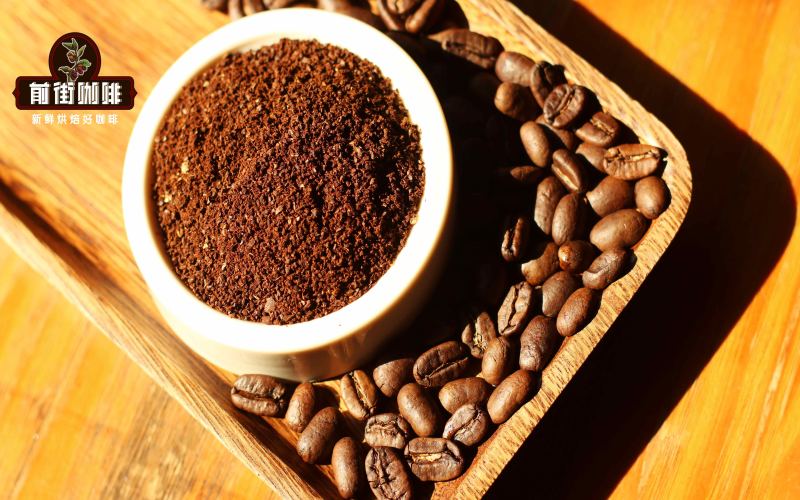
Key Points for Using a Coffee Grinder | Do You Need to Clean the Grinder Before Grinding Coffee Beans? What Should You Watch Out for When Using a Coffee Bean Grinder?
Many friends who originally used hand grinders have purchased an electric coffee grinder to grind coffee beans, with the aim of freeing their hands and no longer needing to go through the tedious grinding process. However, electric grinders are different from hand grinders, and there are many details to pay attention to when using them. If you are not careful, it is easy to shorten the life of the grinder and affect the grinding quality. [more…]
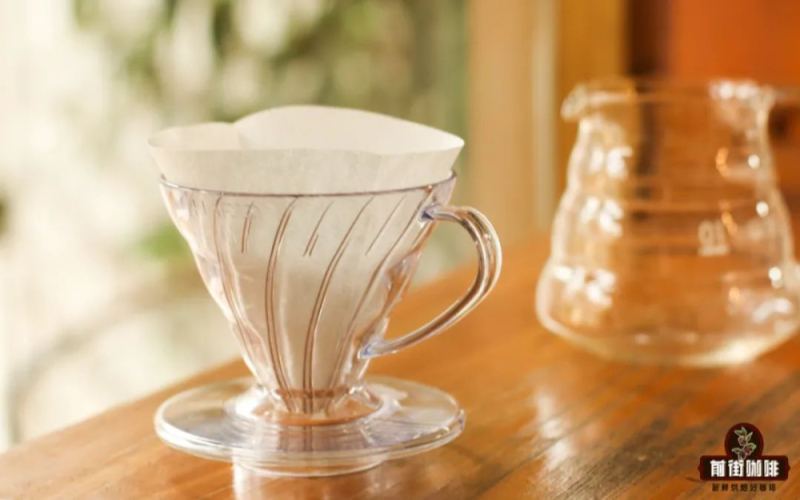
How do you use a wire spring portable dripper? What adjustments are needed for pour-over parameters and technique?
There is a dripper made entirely from a single steel wire, minimalist in function—it only holds the filter paper up and barely interferes with the flow of water. It is stretchable and compressible, lightweight and portable after collapsing, and affordably priced, but it tilts to one side when placed on a server. When brewing coffee with it, how does the flavor differ from that of regular drippers like the V60? Front Street conducted a comparative brew using Colombia·Frontera Geisha: 15g of coffee, a 1:15 coffee-to-water ratio, 92°C water, Ek43 setting 10, and a three-pour method. The total time was 2 minutes 50 seconds, the flow rate was noticeably slow, and the taste was bitter with some muddiness and a thin body. The problem is not the dripper itself, but that the parameters and technique need to be re-matched. [more…]
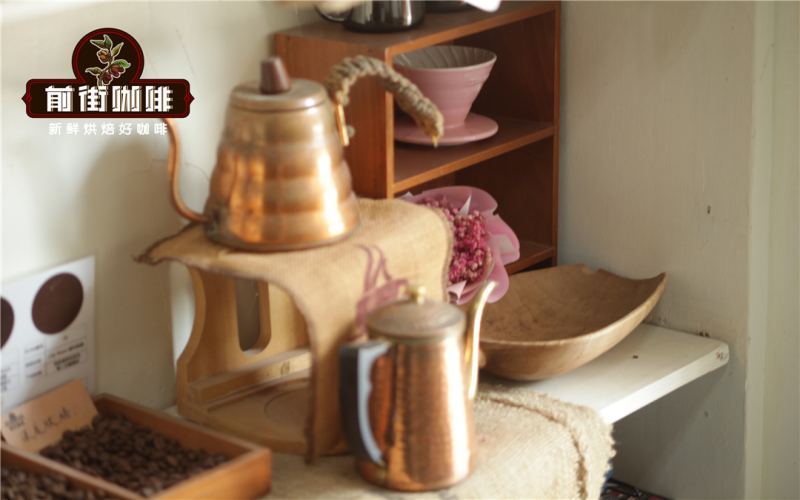
Can Drip Bag Coffee Be Considered Specialty Coffee? How Big Is the Actual Difference from Pour-Over Coffee?
Many people assume that those who drink pour-over look down on drip bags, and that those who drink drip bags don't understand pour-over—but this isn't actually the case. Drip bag coffee is essentially a simplified version of pour-over coffee; there is no fundamental difference in the extraction principle between the two. The differences lie mainly in equipment preparation, brewing procedure, and convenience. From the perspective of Front Street Coffee, this article systematically sorts out the respective characteristics of pour-over coffee and drip bag coffee, the equipment required for each, flavor differences, and the correct method for brewing drip bags, helping coffee lovers choose the type of coffee that suits their needs. [more…]
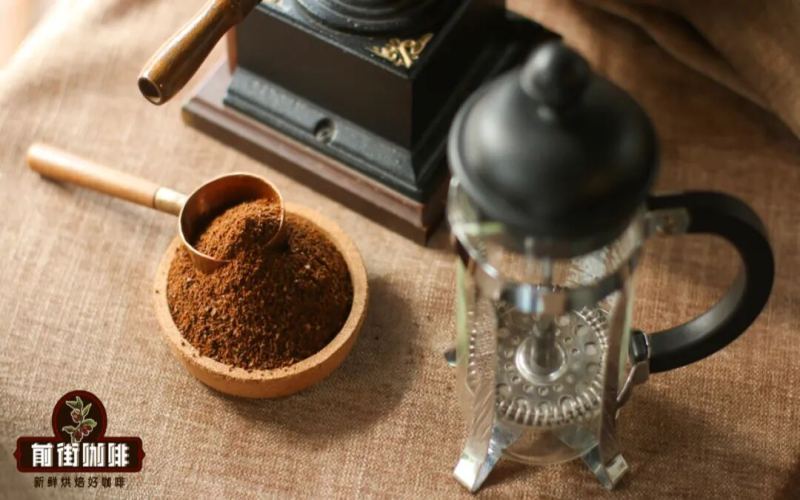
Grind Size | What coffee grind coarseness should be used for pour-over, cold brew, ice drip, moka pot, and espresso? How can coffee beginners judge the correct coffee grind size?
No matter what method we use to make coffee—whether it's pour-over, cold brew, or espresso—we first need to grind the coffee beans into grounds before we begin. The purpose of doing this is to increase the surface area of the coffee that comes into contact with water, speed up the dissolution of flavor compounds, and give the brewed coffee a fuller taste. [more…]

Which brand is reliable when joining a coffee shop franchise? How much does the initial investment actually cost?
In the past year or two, the popularity of coffee entrepreneurship has continued to rise, and many office workers have begun to entertain the idea of opening a shop and becoming their own boss. A coffee shop that seems to have low barriers to entry, requires little investment, and has an artistic atmosphere has become the ideal project in many people's minds. But when they actually start, they discover that they have no idea where to begin, from site selection to promotion, so franchise chains have become a popular option. Advertisements promising "zero threshold" and "easy to be your own boss" are everywhere, but is the reality really that rosy? This article sorts out the main models of coffee franchising today, helps you calculate the upfront investment clearly, and gives the key points to note when choosing a franchise brand, in the hope of offering some reference for those who are still hesitating. [more…]
What are the essential differences between pour-over and drip bag coffee? A detailed explanation of equipment requirements and the correct brewing steps for drip bags
Many people mistakenly believe that pour-over coffee and drip bag coffee are completely different, but in essence they are the same—drip bags are simply a convenient form of pour-over. Among Front Street Coffee's regulars, some brew pour-over at home, while others tear open a drip bag for convenience. So what equipment and techniques does pour-over really require? What steps does a drip bag simplify? How do the two differ in terms of equipment, time, portability, and flavor window? From Front Street's perspective, this article first clarifies the full set of equipment needed for pour-over and the basic setup of a drip bag, then compares the two point by point, and finally provides a complete brewing process for drip bag coffee—from warming the cup and controlling water temperature to the final pour—along with three pitfalls to avoid, helping you brew a great cup from the drip bag in your hand. [more…]
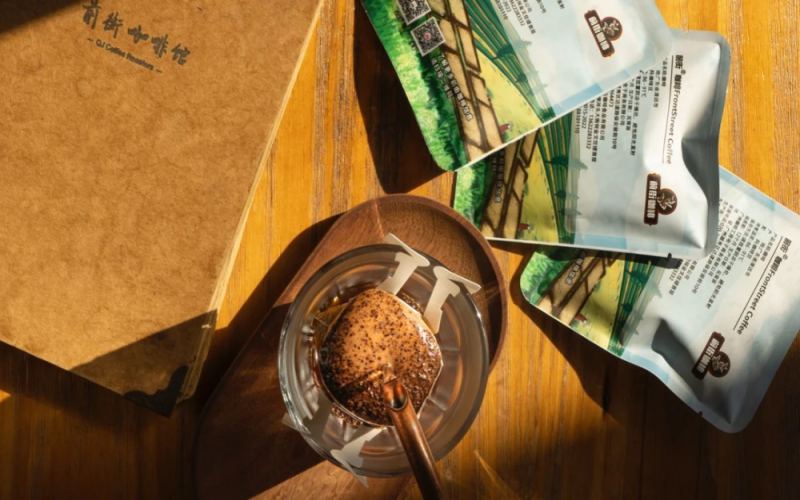
Benefits of Drinking Drip Bag Black Coffee | What Are the Advantages of Filter Coffee? How Many Times Can a Drip Coffee Bag Be Brewed? How to Correctly Brew Filter Coffee?
Specialty coffee has gone from a luxury item to an everyday source of spiritual nourishment in people's lives (literally spiritual sustenance, haha), and drip coffee bags have played an indispensable role in this. The portability of drip bags has done away with the need for complex equipment to brew specialty coffee—no need to worry about grind size, and no need for any particular pouring technique. Just tear open the [more…]

No Ice Drip Pot Needed: Homemade Ice Drip Coffee Tutorial and Cold Storage Duration Guide
In hot weather, a glass of cold brew coffee always brings a refreshing coolness. Front Street Coffee's cold brew has recently been in short supply, and many people choose it not only because its flavor differs from ordinary iced coffee, but also because they feel they can't make it at home. In fact, with just a dripper, a few filter papers, ground coffee, and ice cubes, you can put together a simple "home-version cold brew tower." This article breaks down in detail the equipment, parameters, operating steps, and common mistakes of this method, while also explaining the extraction impact caused by the structural differences between a dripper and a cold brew tower, and providing a list of Front Street beans suitable for making cold brew. Finally, it will also explain how long cold brew coffee needs to be refrigerated and fermented after it is formed, as well as how long it can be stored under refrigeration and at room temperature respectively. [more…]
What's the difference between pour-over and drip bag coffee? A comprehensive analysis of the differences between the two, from brewing equipment to operational process.
Do people who love pour-over coffee look down on drip bag coffee? Are those who drink drip bag coffee clueless about pour-over? In reality, there is no fundamental opposition between the two. Many regulars at Front Street Coffee buy coffee beans to brew pour-over at home and also keep some drip bags on hand for convenience. Simply put, drip bag coffee is a simplified version of pour-over. This article will systematically sort out the specific differences between pour-over coffee and drip bag coffee from multiple angles such as brewing equipment, operating process, time control, and shelf life, and also include the correct brewing steps and common mistakes for drip bag coffee, helping coffee lovers choose the right method according to their needs. [more…]
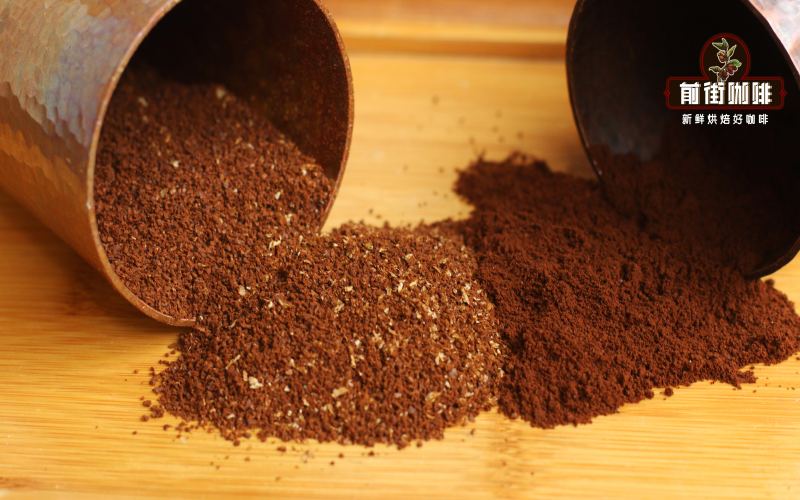
Coffee Grind Size Parameters | Pour-Over, Cold Brew, Ice Drip, Moka Pot – How Fine Should Coffee Grounds Be? A Guide to Using the Common Coffee Grind Size Reference Chart
"Excuse me, what grind size should I use for pour-over coffee?" "Why is the grind at setting 10 on your machine different from setting 10 on mine?" "When you say 'sugar-like,' do you mean caster sugar, granulated sugar, or brown sugar?" ... Are you still struggling to find the right grind size for your coffee brewing device? Front Street has an article to [more…]
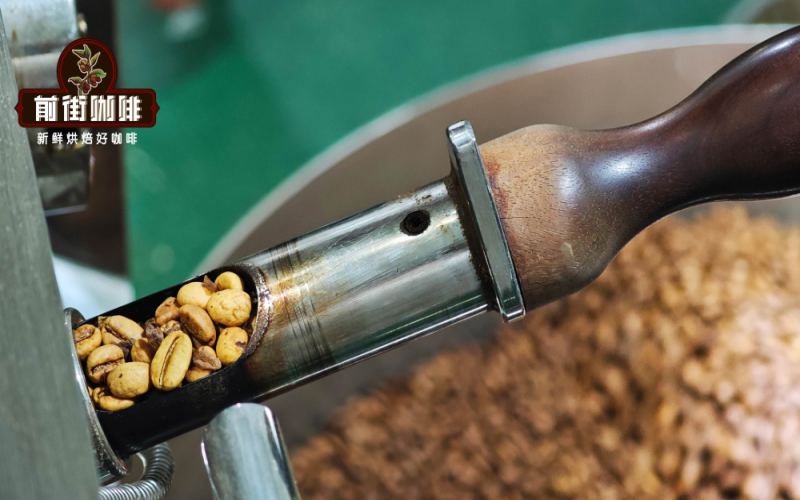
How Long Should Coffee Beans Rest? Resting Principles and Key Operational Points for Different Roast Levels
Freshly roasted coffee beans are not at their best right after roasting; they still need to go through a degassing process known as "resting." The core purpose of resting is to let the large amount of carbon dioxide produced during roasting gradually escape, allowing the aromatic compounds and oils to integrate more fully, so that a cleaner, more stable flavor is presented during brewing. Insufficient resting brings a dry, harsh sensation and a smoky, pungent taste, while excessive resting accelerates the loss of aroma and shortens the optimal enjoyment period. Different roast levels and different brewing methods have different requirements for resting time; medium-dark roasts generally need about 3 days, while beans for espresso may need 10 to 15 days. In this article, Front Street Coffee systematically sorts out the principles, time ranges, and storage key points of resting, helping coffee lovers find the rhythm that suits their own taste. [more…]
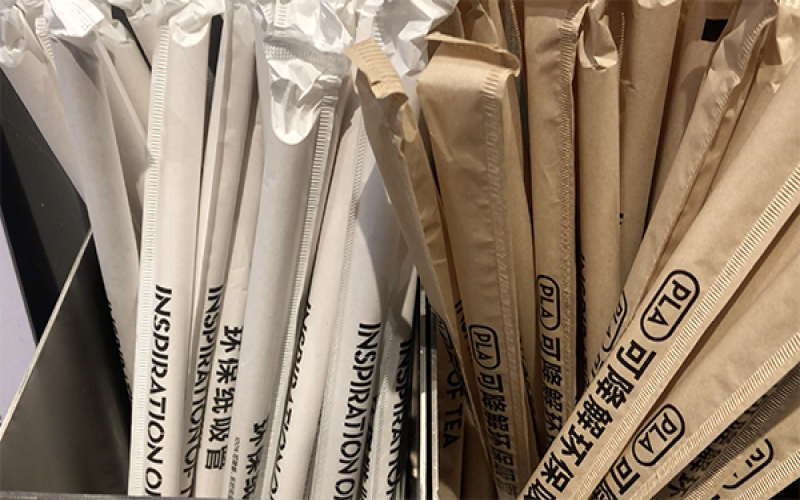
No straw with hot coffee leads to bad reviews? Let's talk about the industry conventions and consumer perception differences behind it
When winter arrives, you order a hot coffee and find there's no straw included—some people grumble about it, while others go straight to leaving a bad review. But why do businesses default to not providing straws with hot drinks? Behind this are both safety considerations—hot liquids can easily cause burns, and plastic straws may release harmful substances when exposed to heat—and a tacit consensus gradually formed across the industry. However, not all customers are veteran coffee enthusiasts, and when faced with "needing utensils" only to receive a hot drink without a straw, misunderstandings and dissatisfaction are naturally hard to avoid. This article will break down the causes and consequences of this contradiction, look at how chain brands and independent cafés respond, and consider what mindset we should adopt toward the diverse choices in how coffee is consumed. [more…]
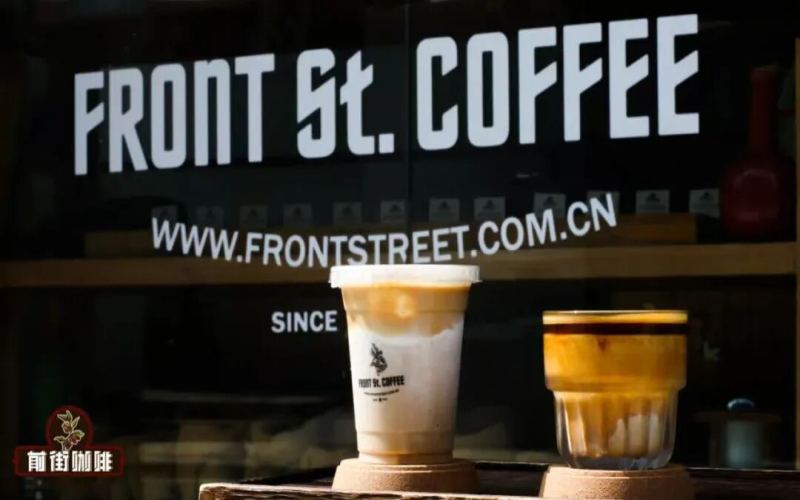
Coffee Tasting | Espresso, Latte, Dirty Coffee — What's the Etiquette for Drinking Them? Why Do Some Coffees Need Stirring While Others Are Meant to Be Gulped?
Although you can drink coffee however you like, doing so can easily cause you to miss out on some of its distinctive flavors. The character of a coffee lies not only in its taste but also in the experience it brings when you drink it—just like a Dirty. If you stir it before drinking, it is almost no different from [more…]
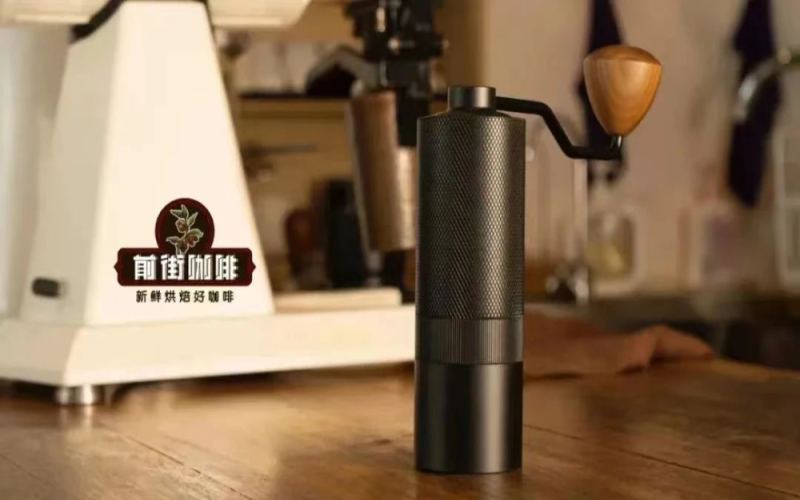
Coffee Types | Do coffee connoisseurs drink pour-over coffee or drip bag coffee? What are the differences between drip bag coffee packs and pour-over black coffee?
For more specialty coffee knowledge, please follow: Front Street Coffee (Frontsteet Coffee). Do people who drink pour-over coffee not drink drip bag coffee? Do people who drink drip bag coffee not understand pour-over coffee? If you think so, you are greatly mistaken. In fact, there is no essential difference between pour-over coffee and drip bag coffee. At Front Street, there are [more…]
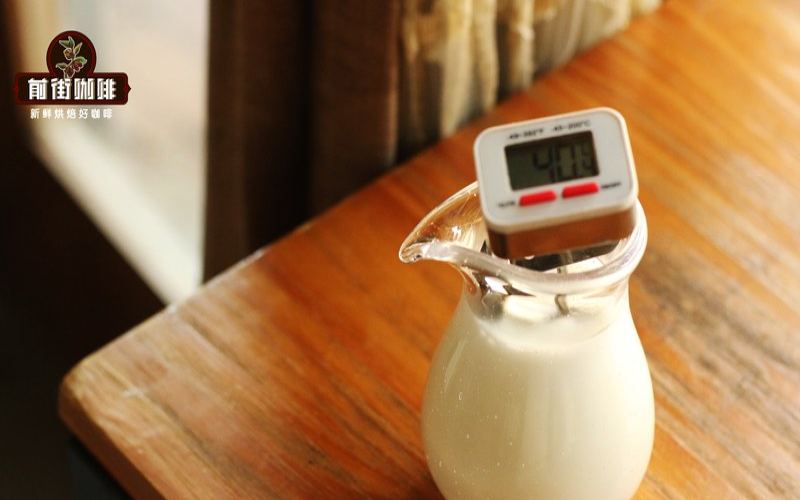
Beans suitable for iced coffee: balancing budget and drinking frequency
挑选适合做冰咖啡的豆子时,可以先把复杂信息放到一边。日常买豆需要考虑喝得快不快、一次买多少,以及家里主要做黑咖啡还是奶咖。从清爽或醇厚、黑咖啡或奶咖这两组差异切入,再看烘焙日期和处理法,判断会更贴近日 [more…]
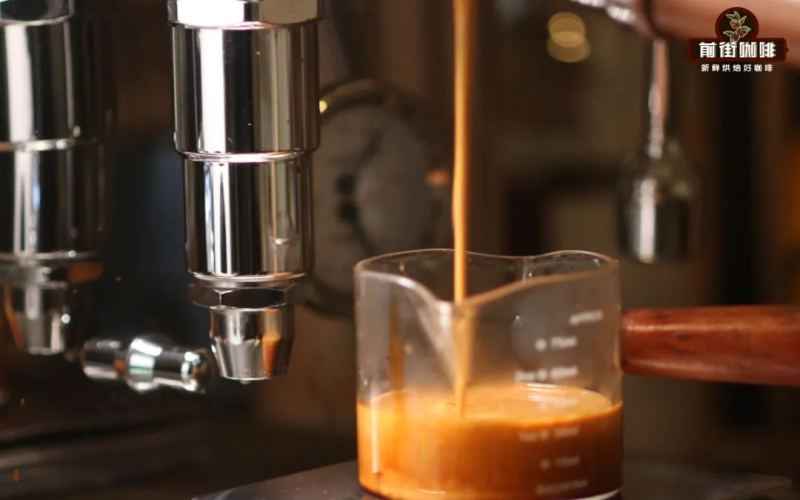
Espresso Grind Size|How Fine Should Espresso Coffee Grind Be and How to Adjust It
Espresso is the foundation of Italian-style coffee. The wide variety of milk coffees we see on café menus are mostly based on espresso. In addition, although many people like espresso with milk added, there is still a group of enthusiasts who love espresso. No matter from which angle you consider it, making [more…]